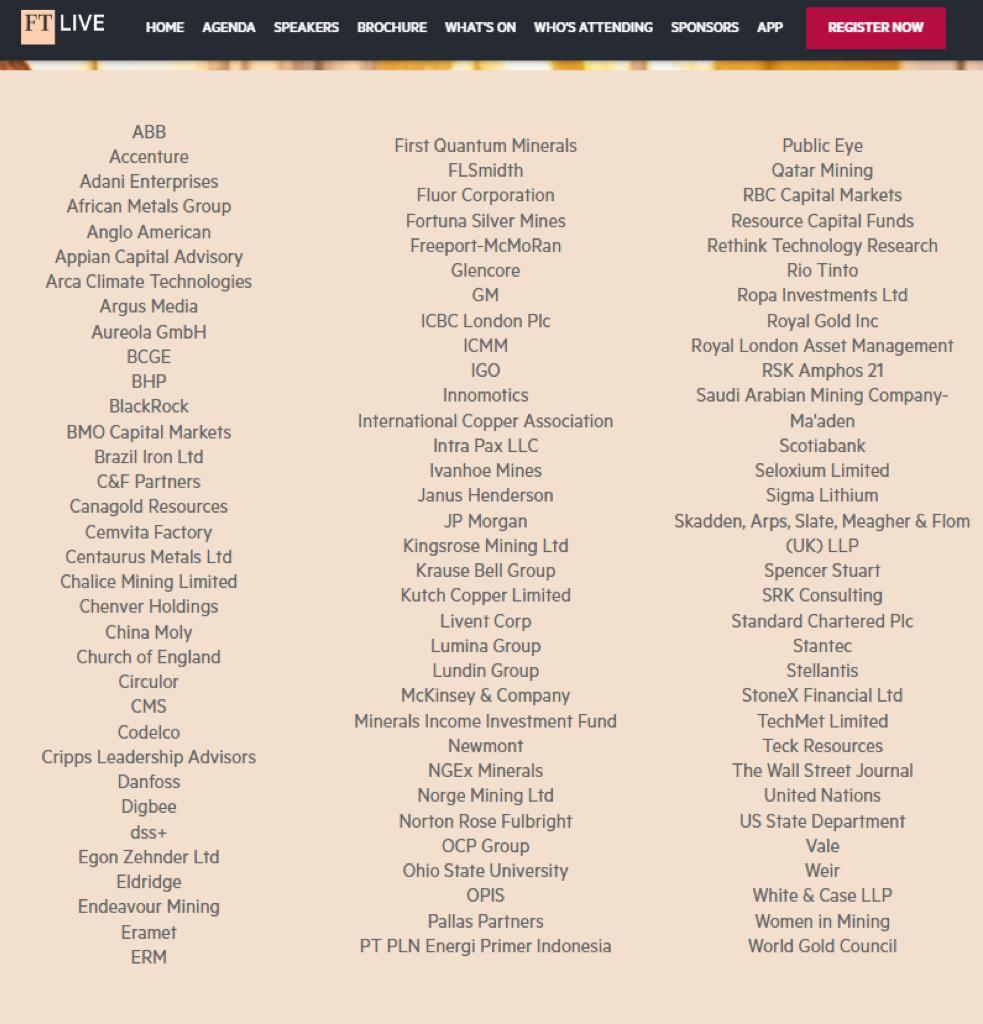
On 5th-6th October 2023, the Financial Times (FT) is hosting a major mining summit in Central London with over 250 in-person attendees, including many of the world’s most controversial mining corporations. Among them will be Adani Enterprises, the branch of the Adani Group conglomerate involved in major coal mining projects, such as the Carmichael mine in Australia.
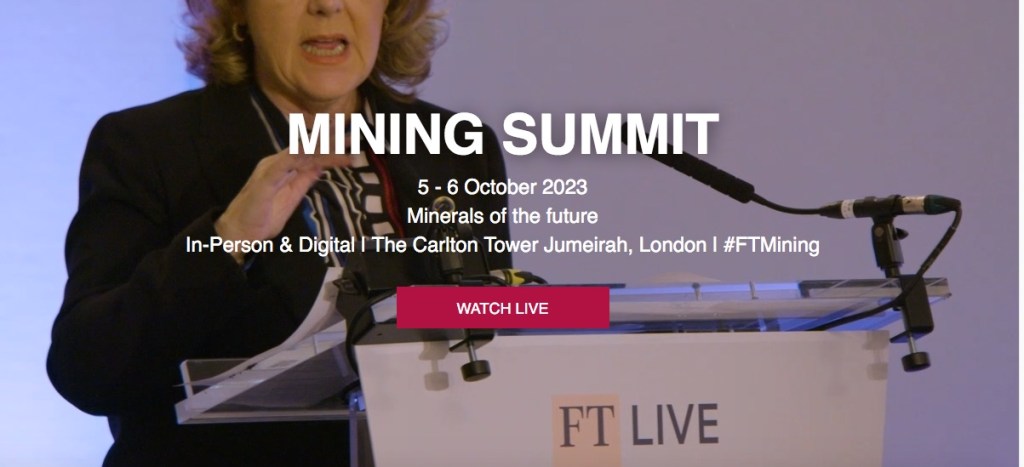
The FT’s own recent investigations and reporting have shone a spotlight on potential market manipulation and financial impropriety by Adani. Earlier this year, the FT followed developments after Adani was accused of having committed fraud ‘on a historic scale’ and even produced its own documentary on the scandal. And yet it is still allowing Adani to participate in this major networking opportunity where the firm can ‘build relationships with top decision-makers from the largest and most influential corporations in mining and finance’.
We submitted a letter to the Editor of the FT ahead of the Mining Summit, raising questions about this clear ethical conflict and its potential to undermine the public’s trust in its reporting. However, the letter has not been published by the FT or responded to.
We urge the FT to engage with the concerns raised and provide a response setting out how it will address them. In a context of climate change, human rights impacts and allegations of financial impropriety, ethical standards are crucially important.
You can read the full text of our letter below.
Dear Editor,
Documents shared with the Financial Times by the Organised Crime and Corruption Reporting Project recently revealed that two of Adani’s largest shareholders were linked to the Adani family, raising questions about potential market manipulation (‘Secret paper trail reveals hidden Adani investors’). Your own investigation also showed that the stock market regulator in India suspected market manipulation by Adani as far back as 2014.
Given your investigation, as well as the pre-existing allegations by Hindenburg Research that the Adani Group has committed fraud ‘on a historic scale’, it is deeply concerning that you have allowed Adani Enterprises to attend the FT’s Mining Summit this week. When your own reporting has set out evidence of Adani’s potential financial impropriety, there is a clear ethical conflict in then allowing it to attend a summit which provides the company with an opportunity to ‘build relationships with top decision-makers from the largest and most influential corporations in mining and finance’.
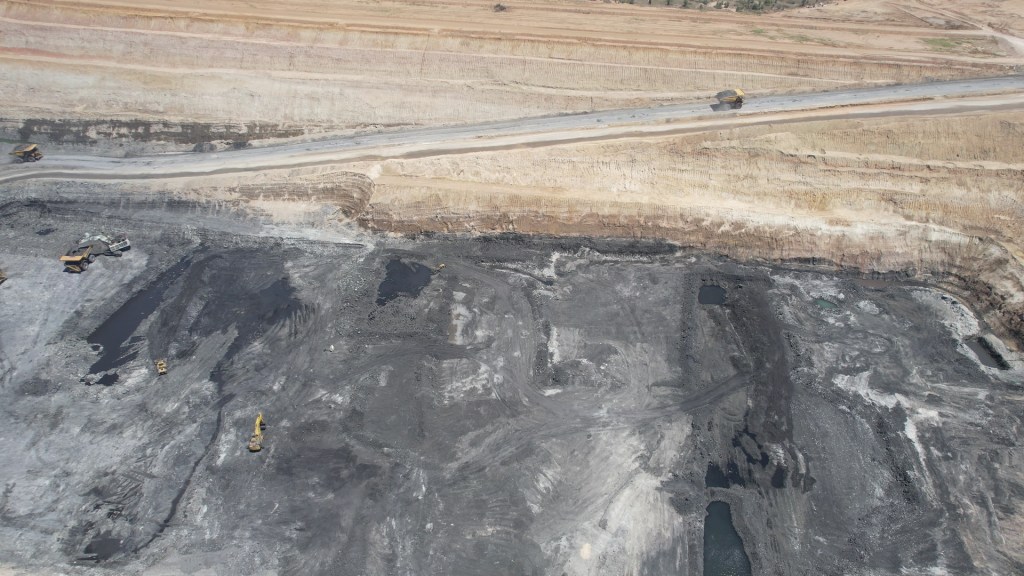
Furthermore, the International Energy Agency recently reaffirmed that ‘no new coal mines, mine extensions or new unabated coal plants’ are compatible with its Net Zero scenario, yet coal extraction and coal-fired power generation remain a core part of the business plans of Adani Enterprises. Many attending the summit also have poor records on climate change and have made insufficient commitments to curb their emissions, and yet the FT is promising speakers the chance to ‘position [their] company as a thought leader’ in discussions around green energy transition.
Among the public, the FT is the most trusted of UK newspapers and the integrity of its reporting is rightly held in high regard. However, the absence of clear ethical thresholds for your advertisers, content partners and event attendees has the potential to create conflicts of interest and undermine the public’s trust in your reporting, as is particularly the case with Adani. It also raises the serious ethical question of whether it is appropriate for the FT to sell material business support, in the form of the Mining Summit, to companies which it is actively investigating, notably those accused of financial impropriety, abuses of human rights and environmental destruction. In this context, being assured of the independence and objectivity of the FT is of crucial importance.
Kind regards,
Culture Unstained
 Culture Unstained