On 4th December 2023, Culture Unstained submitted a Formal Complaint to the Science Museum Group’s Board of Trustees. The 34 page document calls on the Trustees to launch an investigation into the Director’s handling of a new sponsorship deal with the coal-producing conglomerate Adani.
Drawing upon documents released under FOI rules, the Complaint sets out how links between Adani Green Energy – which is set to sponsor a new climate gallery – and Adani’s coal business were repeatedly overlooked and dismissed. Adani is the world’s third largest developer of new coal mines and also the world’s biggest private producer of coal.
How does a Science Museum make a company like Adani – the world’s biggest private developer of coal – sponsor of a new climate gallery? Watch as the Science Museum director shows how to greenwash!
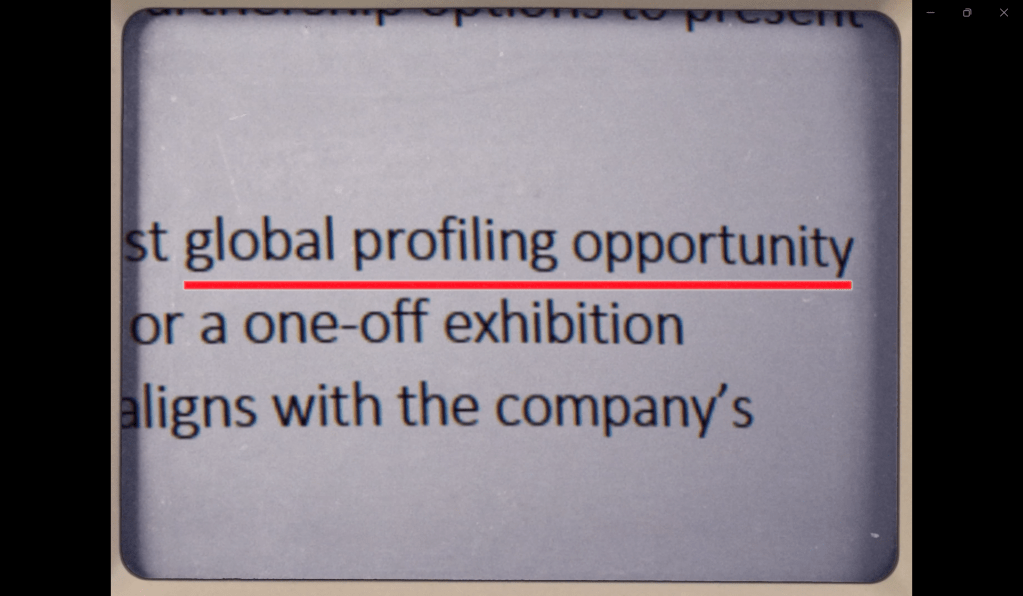
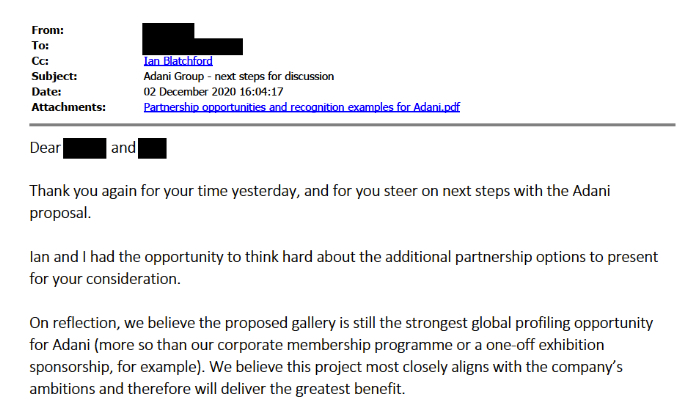
The complaint builds upon earlier evidence that the Science Museum’s Director had actively offered to “greenwash” Adani’s image by pitching the sponsorship of the new climate science gallery as a “global profiling opportunity” that would offer Adani “the greatest benefit”.
It calls for Director Ian Blatchford to be investigated and for the sponsorship deal with Adani to be dropped, “because the original decision was reached following a process that lacked legitimacy.”
If no response is provided or the SMG fails to adequately address the concerns outlined, the complaint will be referred to relevant regulators and sector-wide bodies for formal investigation. The Board of Trustees are expected to hold their quarterly meeting later this week.
- Read the full Formal Complaint.
- Read our press release and coverage in the Times.
Background to the complaint
The Formal Complaint escalates concerns about wrongdoing in how the sponsorship deal with Adani was negotiated and agreed, including how:
Director Ian Blatchford pursued a partnership with the Adani Group, despite its controversial coal projects, pushing the sponsorship of a new climate gallery as a “global profiling opportunity” and the chance to “showcase its leadership in the energy transition” (FOI disclosure, correspondence with Adani, p4).
He pushed through the partnership despite a damning 12-page internal due diligence report. This contained extensive evidence of Adani’s track record of environmental damage, human rights violations, corruption and corporate criminality, and should have been enough to stop the deal before it started.
The Museum’s report also clearly showed that Adani fell well short of the criteria set out in the Museum’s brand new Sustainability policy – that had only just been launched. Ian Blatchford had announced the new Policy, and the Museum’s decision to use the Transition Pathway Initiative (TPI) to assess its sponsors’ progress “on the transition to a low carbon economy”, in November. Yet Adani Enterprises, the only part of Adani assessed by the TPI, was scored just one by the TPI, significantly below the level required by the Museum’s new criteria.
The report was explicitly brought to Ian Blatchford’s attention on 23rd December, in an email marked as of high importance (FOI disclosure, p2):

Barely 30 minutes after receiving the report at 11:11, Blatchford had already emailed Adani to move forward with the deal. (FOI on Adani correspondence, p5)
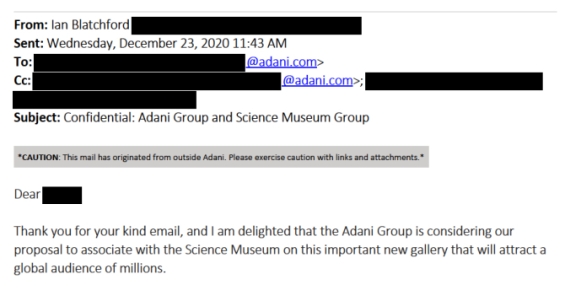
Rather than dropping the deal, the sponsorship was instead “rebranded” as being with Adani Green Energy, allowing the Director to avoid giving full information on the original due diligence investigation to Trustees. Instead the Museum commissioned a NEW due diligence report with most of the incriminating content removed.

Culture Unstained published an investigation on our website outlining these findings in detail in March 2023. At the same time, all Trustees were sent a hardback photo-book presenting the findings – including the full content of the Museum’s December 2020 Adani Group Due Diligence report – which the Museum confirmed had never been shared with the Board.

We also reveal changes in the Museum’s decision making processes and policies, which include removing responsibilities from the Director.
Despite Director Ian Blatchford publicly insisting, while defending fossil fuel sponsorship in 2019, that the Museum had no need for an ‘Ethics Committee’, just two years later, one was quietly being set up. The Museum’s “Partnership Panel” had its first meeting in January 2022 and its first act was to take on the due diligence responsibilities that had previously sat with Blatchford, with the Group Ethics Policy updated to reflect these changes.
“Some of my junior colleagues were thinking that we would simply accept money from anyone and weren’t asking any tough questions at all,” he said. “I realised I needed to be accountable as much to my own colleagues as to the outside world” […] The Science Museum has no ethics committee, Sir Ian said, having decided that the full board should be directly engaged in such questions. “The issues are so vital that why would one offload it on anyone else?”
Financial Times, 1st August 2019, Science Museum defends oil and gas sponsorship
The Panel’s introduction followed the intense controversy over Adani and other fossil fuel sponsorship deals at the Museum, with Chris Rapley (former Museum Director) stepping down from its Advisory Board in October, and Trustees Hannah Fry and Sarah Dry both resigning in November.

According to the Science Museum’s Group Ethics Policy, updated in March 2019, controversial due diligence reports should be reviewed by the Development Director, who would then decide if a referral to the SMG Director (Ian Blatchford) was necessary; if the Director had concerns, they were to refer to the Board of Trustees.
The Ethics Policy was updated in March 2022, (and approved by Board in April 2022). This policy update removed the Director from this process: the Development Director now decides “if they will refer to the SMG Partnership Panel, a subcommittee and advisory body of the Board of Trustees, which may then refer the matter to the Board.” (Science Museum website, p8).
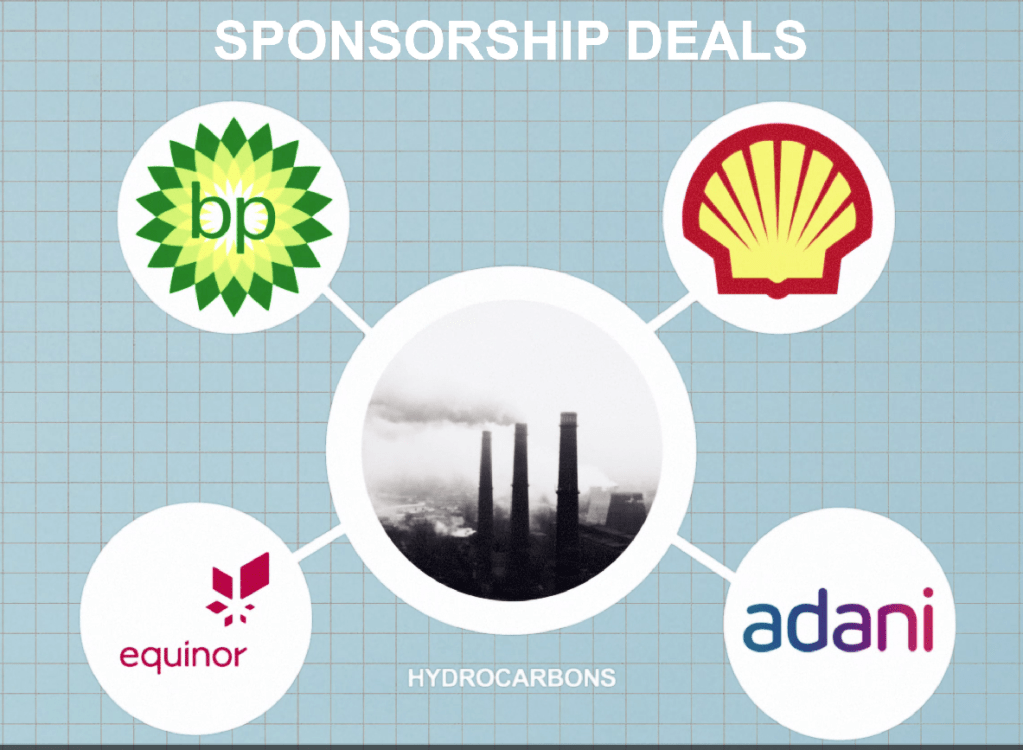
The Science Museum said the Panel was “ A new governance group to oversee the Science Museum Group’s Development activities” providing advice on the SMG’s development (i.e. fundraising) activities “within the framework of the SMG Ethics Policy.” As part of its role it reviews due diligence reports about potential funders “to stress-test any strategic and reputational issues.” It can also review conditions with existing funders – and make recommendations to the Board on both of these things. (Terms of reference, provided under FOI rules).
The complaint also details how the Science Museum Group has failed to respond to further information:
In particular, the Hindenburg Group’s allegations of corruption at Adani and the clear evidence that Adani Green Energy is ‘intricately linked’ to the Adani Group’s other operations, specifically its coal business.
Despite Science Museum Chair Mary Archer publicly commenting that,:
‘Each of the [Adani] businesses is an independent, publicly traded entity with its own board of directors… This clear distinction is important’,
the Science Museum is aware that there is clear evidence that the company is ‘intricately linked’ with the rest of the Adani Group and that its funds may be used to finance coal expansion.
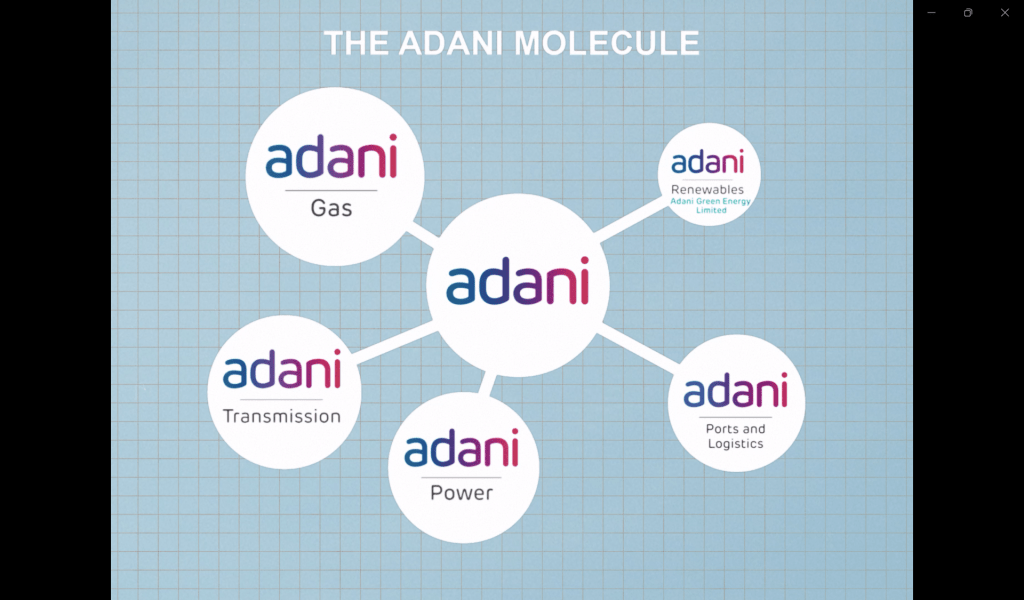
The Hindenburg Report, which alleged that the Adani Group had committed fraud on ‘a historic scale’ and that its companies are ‘intricately linked’, was brushed off by Ian Blatchford – who merely expressed his sympathy to Adani about his “rather torrid” few weeks (FOI response, Adani correspondence 2023)

Another, unnamed, Trustee is on record as emailing Blatchford to share reporting on the scandal with the note that it
“Doesn’t look difficult yet, but worth watching…….”
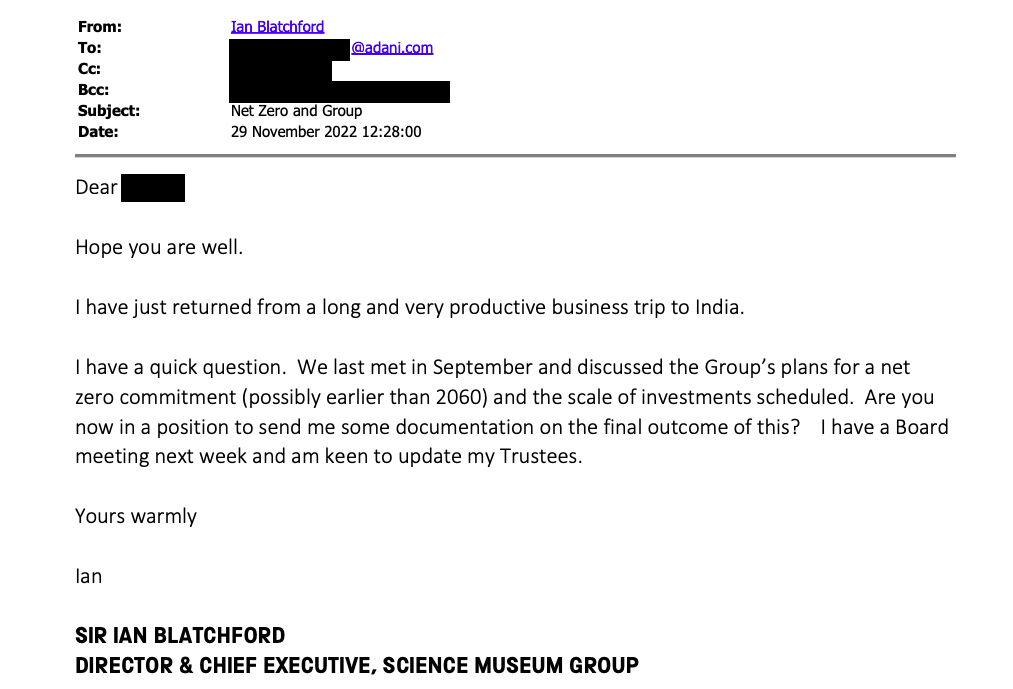
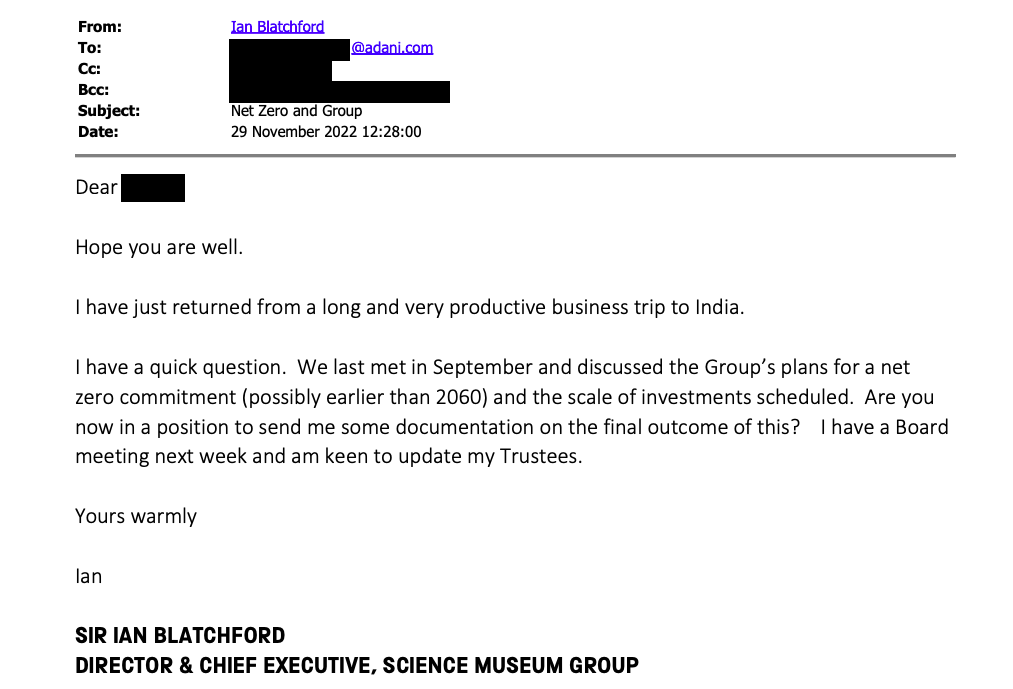
Despite claims by the museum that it is only partnering with Adani Green Energy, Ian Blatchford himself continues to correspond with the main Adani Group, including asking about the Group’s ‘Net Zero commitments’ e.g. (screenshot from August and November 2022, and in FOI response).
The Museum’s ‘Prospect Development Team’ logged media coverage of the Hindenburg Research Group’s report and subsequent developments arising from it in a five page document, Adani Group News tracker – Jan 24th-Feb 28th 2023. (FOI response, October 2023).
The Partnership Panel considered an updated Due Diligence report for Adani Green Energy once again in September 2023. This report included a brief section on the allegations made in the Hindenburg Report and, crucially, the decision by Norwegian’s KLP pension fund to disinvest from Adani Green Energy because of ‘the close links alleged between the constituent business in the Group’ and concerns that Adani Green Energy could be funding other parts of the business, including coal mining.
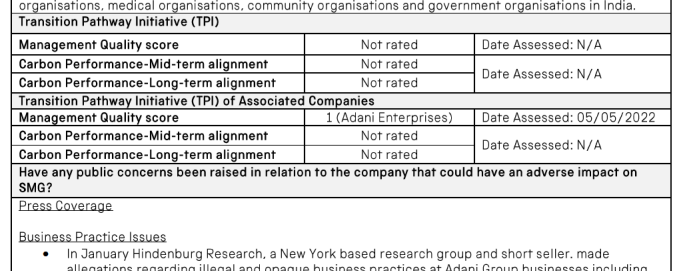
It also noted that Adani Green Energy was not rated by the Transition Pathway Initiative and that, at the time of the report, Adani Enterprises scored just one on the TPI Management Quality Index. This is well below the minimum score of four set out as a minimum standard for corporate partners in the Museum’s current Sustainability Policy.

 Culture Unstained