
In a significant shift for the culture sector, museums and galleries could soon be urged to ‘transition away’ from sponsorship deals with fossil fuel companies, as well as organisations involved in environmental harm and human rights abuses, under proposed new ethics guidelines.
The proposed changes to the Museums Association’s ‘Code of Ethics’ would both embed ethical principles that many museums have already adopted and also represent an important step forward in terms of increasing the pressure on the shrinking number of organisations still taking sponsorship money from fossil fuel, tobacco and arms companies – such as The British Museum and the Science Museum.
The Museums Association, which is the membership body for museums and galleries in the UK, published its new ‘Code of Ethics’ this week and members will vote on whether to ratify the Code ahead of its AGM in October.
Significant new additions to the Code set out how museums should:
‘Transition away from sponsorship from organisations involved with environmental harm (including fossil fuels), human rights abuses, and other sponsorship that does not align with the values of the museum.’
And:
‘Strive to secure funding from ethical sources that align with the values of the organisation and serve the best interests of communities.’
It also calls on museums to:
‘Consider climate and ecological impacts and social responsibility in all decision making’.
In 2023, The British Museum announced it had signed a new 10-year partnership with BP from £50 million and continues to partner with Japan Tobacco International. Meanwhile, the Science Museum Group also takes sponsorship from BP, as well as the coal giant Adani. Adani is the world’s biggest private producer of coal and continues to expand its extraction, violating Indigenous rights.
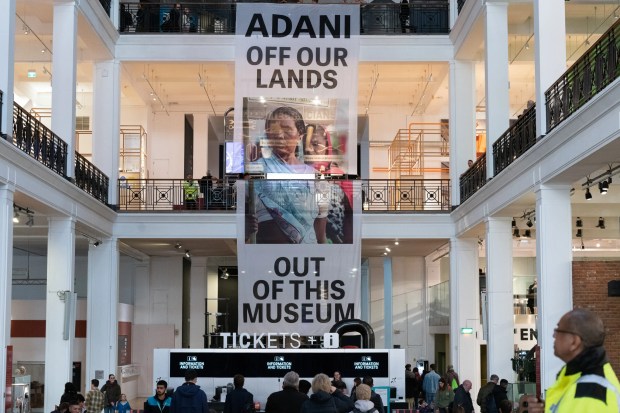
Adani is also involved in the production of drones used against Palestinians as part of its collaboration with the Israeli weapons company Elbit Systems. BP is complicit in the illegal occupation of Palestine and genocide in Gaza as one of the Israel’s largest suppliers of crude oil, which includes providing fuel to the Israeli military. It has also been granted gas exploration licences in Palestinian waters.
A spokesperson from Culture Unstained, which campaigns against fossil fuel sponsorship of culture, has said:
“This new Code of Ethics offers an opportunity to set a powerful new precedent, not just in the UK but internationally. If adopted, it would send a clear signal that sponsors fuelling and financing climate breakdown and human rights abuses cross an ethical red line – and are no longer welcome in our museums and galleries. With companies such as BP and Adani pouring billions of dollars into extracting new oil, gas and coal and profiting from the genocide in Gaza, the only acceptable response is for The British Museum and Science Museum to now end these sponsorship deals.”
The proposed new ‘Code of Ethics’ also advises that museums should:
‘Ensure organisational integrity by resisting attempts from corporations, funders and governments to unduly influence practice and strategic decision making to fulfil their own private or political interests.’
Earlier this year, documents disclosed by the Cabinet Office following a First-Tier Information Tribunal undertaken by the organisation Culture Unstained, revealed how the Science Museum had brokered a meeting for its sponsor Adani with then Prime Minister Boris Johnson, as the company sought to strengthen its ties to the UK and bolster its energy and defence business. The Museum’s Director, Ian Blatchford, had pitched the opportunity to sponsor its new climate and energy gallery to Adani as “a global profiling opportunity” .

A spokesperson for Energy Embargo for Palestine, which has campaigned against The British Museum’s sponsorship by BP and the museum’s decision to accept an event hire by the Israeli Embassy for a private party, has said:
“We welcome the new code of ethics drafted by the Museums Association as it provides a better starting point for cultural workers and their unions to begin anti-imperialist struggles against the many powerful, state-supported employers within the culture industry. Cultural workers and outside activists learn from each other through our organising against a common target on different fronts, and this mutual learning process strengthens the anti-imperialist climate movement on the whole. We look forward to the new struggles that might emerge from the newly drafted Code of Ethics.“
Since the Code of Ethics was last updated in 2015, many museums, galleries and other cultural organisations have phased out partnerships with polluting fossil fuel companies, including Tate ending its 27-year sponsorship deal with BP in 2016 and the National Portrait Gallery then ending its 30-year partnership with BP in 2022, following opposition from artists, workers and activists. In 2019, many major museums and galleries cut ties to funding from the Sackler Family over their involvement in the US opioid crisis and the misleading promotion of the drug OxyContin. Alongside sponsorship and funding, the Code also provides important updates to guidance on issues such as restitution, decolonisation and freedom of speech.
While the proposed new Code of Ethics offers ‘a guide to best practice’, it indicates an appetite for adopting stronger ethical standards on sponsorship across museums and galleries, potentially setting a new bar for the wider culture sector. It also represents a potential challenge to the government, which during a parliamentary debate in July on a proposed ban on fossil fuel advertising and sponsorship indicated that it had no plans to introduce any such restrictions.
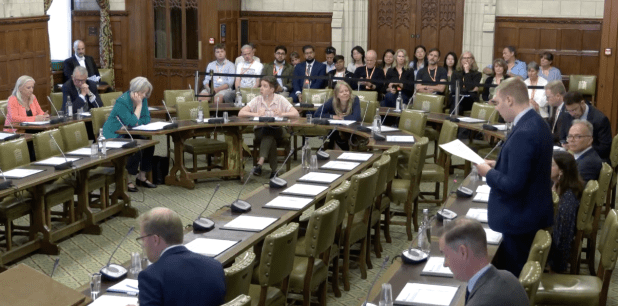
Ahead of the debate in July, former Director of Tate Modern, Frances Morris, told the Art Newspaper:
“While many museums, cultural institutions and artists are taking significant measures to combat the escalating climate and nature crisis, it is deeply frustrating that a few high-profile institutions demonstrate irresponsible leadership and continue to endorse greenwashing corporate partnership deals with major planetary polluters… Legislation to ban such deals is crucial. It would liberate our institutions from the conflicts of interest they currently face in fundraising, allow them to refocus their roles and responsibilities, and help them rebuild the public trust they are currently in danger of losing.”
Members of the Museums Association will vote on whether to ratify the new Code of Ethics from 15 September until its AGM, which takes place on 7 October as part of the Museums Association’s Annual Conference.
 Culture Unstained